Vietnam Study Abroad 2026: Work Rights, Fees & STEM Hubs
4/9/2026

As of April 2026, the global education map is being redrawn. While the "Big Four" (UK, Canada, USA, Australia) are implementing record-high visa fees and strict caps, Vietnam has quietly emerged as Southeast Asia’s newest "Academic Magnet."
With the government's official 2030 International Integration Plan now in full swing, Vietnam is aggressively positioning itself to host thousands of students from across Asia—and the financial math for students is becoming impossible to ignore.
The 2030 Target: Vietnam’s "Academic Pivot"

The Vietnamese government has formally approved a strategic roadmap to increase the proportion of international students to 1.5% of total enrollment by 2030. The "Global Top 500" Push: Over 20% of all higher education programs in Vietnam are now joint ventures with the world’s top 500 universities. The English Language Mandate: Under Decision 1600, the number of English-medium undergraduate and postgraduate tracks has surged by 40% in the last 24 months.
Full List of English-Medium Universities in Vietnam 2026
New 2026 Work Rights: The "20/48" Rule

In a major policy shift to compete with Australia and Canada, Vietnam has standardized work rights for international students.
The Part-Time Cap: International students on a valid study visa are now legally permitted to work up to 20 hours per week during the academic semester. Full-Time Breaks: During semester breaks and holidays, students can work up to 48 hours per week, providing a critical financial cushion. Simplified Compliance: The 2026 Employment Law reforms have digitized labor contracts, making it easier for students to sign legal agreements with local tech firms.
Guide to Legal Student Work Contracts in Vietnam
The "Ultra-Low" Cost of Living (2026 Data)

In 2026, the cost of living in Hanoi or Ho Chi Minh City remains roughly 20-30% of the cost of living in London or Sydney.
The Budget: A student can live comfortably on VND 7,500,000 to 12,000,000 per month (approx. $300 - $480 USD).
Accommodation: Modern student studios in cities like Da Nang or Nha Trang start as low as $150 USD per month.
2026 Budget Comparison: Vietnam vs. Australia
The "Tech-First" Curriculum: Semiconductors & AI

Vietnam isn't just offering "cheap" degrees; it's offering high-demand degrees. Under Decision 1705, the curriculum has been overhauled to prioritize the Semiconductor Hub, with massive government subsidies flowing into STEM programs to support Vietnam's goal of becoming a global semiconductor leader. AI Orchestration: New Master's tracks focus on the management of AI agents in manufacturing and logistics.
Top 10 STEM Programs in Vietnam for International Students
Seamless Visa Processing: The "V-Entry" 2026 System
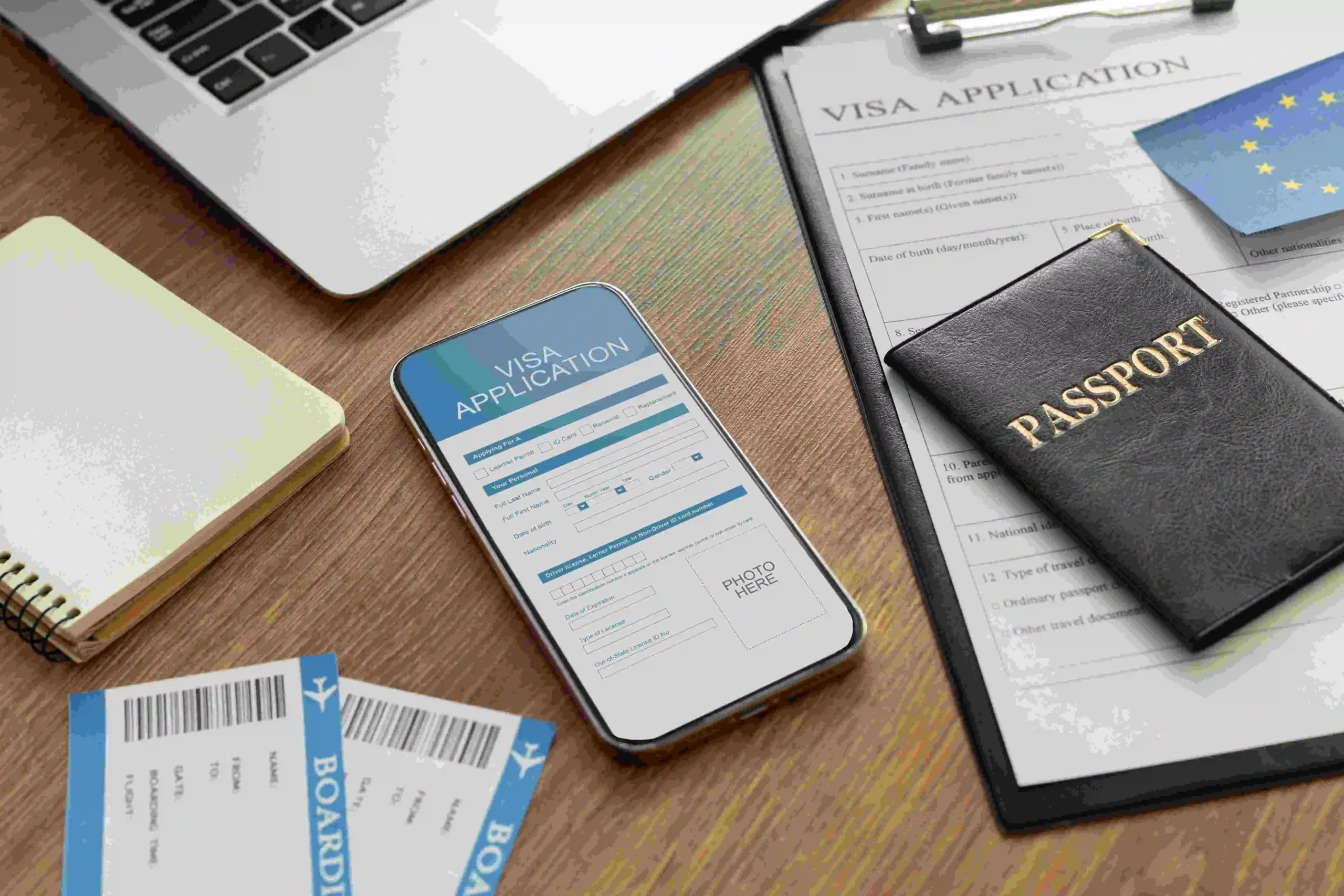
The visa process has been streamlined to compete with the slow processing times seen in Western nations.
The 10-Day Turnaround: The new V-Entry digital portal has reduced student visa processing time to an average of 10 business days for most nationalities from Asia. In-Country Extensions: Unlike many countries that require you to fly back home to change your status, Vietnam now allows for seamless extensions for students moving from Bachelor's to Master's programs.
Step-by-Step V-Entry Visa Application Guide
The "Schengen of Asia": Regional Mobility

With a Vietnamese student visa, regional networking is seamless.
ASEAN Connectivity: Students in Vietnam are increasingly using the country as a base to explore internships in Thailand, Malaysia, and Singapore.
The "K-Bridge": With Korea and Japan being the top investors in Vietnam, graduates from Vietnamese universities often find direct recruitment pipelines into multinationals like Samsung and LG.
Strategic Residency: The Post-Study Pathway

In early 2026, Vietnam introduced new regulations for high-skilled graduates.
High-Tech Talent Visa: Graduates from Vietnamese universities in the fields of AI, Biotechnology, and Green Energy are now eligible for a 2-year work permit extension without the usual employer-sponsorship hurdles.
Startup Support: The government has launched "Sandbox" zones for international student entrepreneurs to launch startups with subsidized office space in Ho Chi Minh City.
How to Apply for the 2026 High-Tech Talent Visa
Conclusion
The "Inbound Shift" of April 2026 represents a fundamental change in the international education hierarchy. As Western nations move toward restrictive caps and higher financial barriers, Vietnam has emerged not just as a "budget alternative," but as a strategic tech hub for students who want to be at the center of the world's next industrial boom.