University Rankings vs Course Outcomes: What Matters More?
1/30/2026

One of the biggest dilemmas students face while planning to study abroad is choosing between a highly ranked university and a course with strong career outcomes. Rankings often look impressive, but do they actually guarantee better jobs, salaries, or long-term success?
In this blog, we break down university rankings vs course outcomes, helping you make a smarter, career-focused decision that aligns with your goals.
What Are University Rankings?
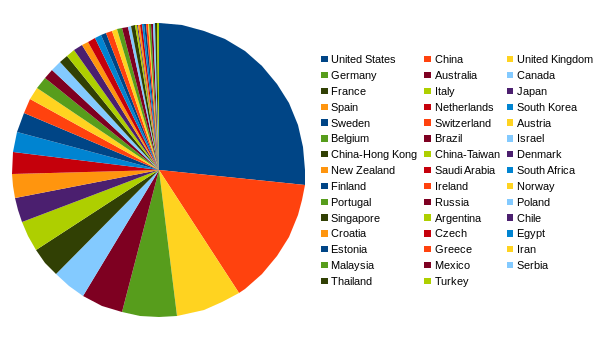
University rankings are global or national lists that evaluate institutions based on factors like academic reputation, research output, faculty quality, and international diversity.
Common ranking factors include:
Research publications and citations
Faculty-to-student ratio
Academic and employer reputation
International student and faculty presence
Popular ranking systems include QS, Times Higher Education, and ARWU.
Advantages of Choosing a Highly Ranked University

Studying at a top-ranked university can offer several benefits.
Key advantages include:
Strong global brand recognition
Prestigious alumni networks
High-quality faculty and research facilities
Better perception for academic or research careers
Top-ranked universities can be especially valuable for students aiming for PhDs, research roles, or global academic careers.
Benefits of studying at ranked universities
Limitations of Relying Only on Rankings

While rankings are important, they don’t tell the full story.
Common limitations:
Rankings focus more on research than teaching quality
They may not reflect industry relevance
High-ranked universities can be expensive
Not all courses at top universities have strong job outcomes
A highly ranked university does not automatically guarantee better employability.
Criticism of global university rankings
What Are Course Outcomes?

Course outcomes focus on what students gain after completing a specific program, rather than the overall reputation of the university.
Key outcome indicators include:
Graduate employment rate
Average starting salary
Internship and placement opportunities
Industry partnerships
Alumni success in relevant fields
Course outcomes directly impact your career growth and return on investment (ROI).
Why Course Outcomes Matter More for Most Students
For students aiming to work after graduation, course outcomes often matter more than rankings.
Strong course outcomes offer:
Better job placement opportunities
Practical, industry-relevant curriculum
Strong employer connections
Faster career growth after graduation
Employers usually care more about skills, experience, and internships than the university’s global rank.
Employer hiring trends for graduates
When University Rankings Matter More

There are situations where rankings play a bigger role.
Rankings matter more if:
You plan to pursue a PhD or research career
You want to work in academia
You aim for highly competitive global roles
You plan to return to your home country where brand name matters
In such cases, a balance between ranking and course relevance is essential.
How to Balance Rankings and Course Outcomes
.jpg?itok=9wqiL0Su)
The smartest approach is not choosing one over the other—but balancing both.
Steps to take:
Shortlist universities with strong programs in your field
Check course-specific employment data
Review internship and industry tie-ups
Compare tuition costs with expected salaries
Talk to alumni or current students
This ensures your education aligns with career goals and financial planning.
What Should International Students Prioritize?

For most international students, especially those seeking jobs abroad:
Course relevance
Practical training and internships
Post-study work opportunities
Industry exposure
Rankings should be a supporting factor, not the final decision-maker.
International student career success guide
Conclusion
University rankings may open doors, but course outcomes determine how far you go. A lesser-ranked university with excellent job outcomes can often deliver better career success than a top-ranked university with limited industry relevance.
The key is choosing a university and course that align with your career goals, budget, and long-term plans.