The $600/Month Master’s: Why Central Europe is Outranking the West in 2026
2/28/2026
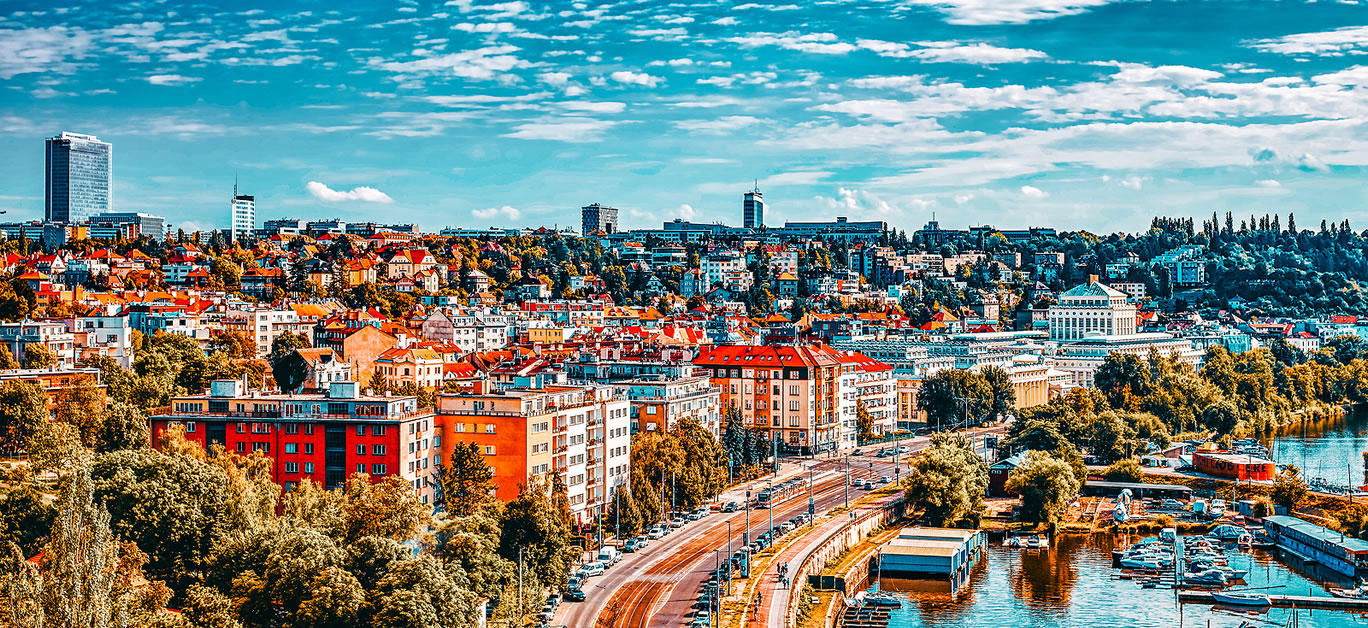
For years, the "Big Three" of Europe—the UK, France, and Germany—were the only names on a student’s radar. But in 2026, the economic reality of studying in London or Paris has become unsustainable for many. As Western Europe grapples with a housing crisis and rising tuition, a new power bloc has emerged: Central Europe.
Countries like Poland, Hungary, and the Czech Republic are no longer just "budget alternatives." They are outranking Western hubs by offering the holy grail of international education: Western-accredited degrees, 2026-standard tech infrastructure, and a total monthly cost of living under $600.
The $600 Reality: Cost of Living That Actually Works

In 2026, the "starving student" trope isn't a rite of passage; it’s a systemic failure in the West. In cities like Munich or Dublin, rent alone can swallow $1,200 a month. In Central European hubs like Warsaw, Budapest, and Brno, the math is fundamentally different.
Breakdown of a $600 Monthly Budget in 2026:
Housing: Modern student dorms or shared apartments range from $250 to $350.
Food & Dining: With "Milk Bars" in Poland and student canteens in Czechia, you can eat well for $150/month.
Lifestyle: A monthly transit pass is often under $15, and a movie ticket is roughly $7.
This isn't just "cheap"—it’s a lifestyle upgrade. Students in Central Europe can afford to travel, network, and eat out, while their peers in the West are often working three part-time jobs just to cover rent.
2026 Cost of Living Index: Poland vs. UK vs. Germany
High-Quality Degrees without the "Elite" Price Tag

There is a common myth that lower cost equals lower quality. In 2026, the QS World University Rankings tell a different story. Institutions like Charles University (Czechia) and the University of Warsaw (Poland) have cracked the European Top 100, outperforming many mid-tier UK and US universities.
The Academic Advantage:
English-Taught Everything: From AI Engineering to International Business, these countries now offer over 500+ Master's programs entirely in English.
STEM Focus: Central Europe has become the "Backbone of European Tech." Universities here are heavily partnered with global firms like Intel, Google, and Amazon, who have moved their operations East to tap into this talent.
Accreditation: These are ECTS-compliant degrees, meaning they are recognized exactly the same as a degree from Oxford or the Sorbonne across the entire European Union.
Database of English-Taught Master’s Programs in Central Europe 2026
The "Stay-Back" Secret: Post-Graduation Work Rights
One of the biggest reasons students are pivoting East in 2026 is the ease of staying after graduation. While the UK and Canada have tightened work permit rules, Central Europe is desperate for high-skilled graduates to fuel their booming economies.
The Work Path:
Poland: Graduates of full-time programs at Polish universities can work in Poland without a work permit. You simply switch to a "Job Seeker" residence permit which is valid for 9 months, then move to a standard residence card once employed.
Czech Republic: International alumni have free access to the labor market. This means any employer can hire you as easily as a local citizen, without the expensive and difficult "sponsorship" hurdles found in the West.
Hungary: The "White Card" and student work-search visas allow for a smooth transition into the Budapest tech and finance sectors, which are currently seeing some of the highest growth rates in the EU.
Official Guide to Post-Study Work Rights in the Visegrád Group
Safety and Quality of Life in 2026

Safety has become a top-tier concern for international students. In the 2026 Global Peace Index, the Czech Republic and Hungary consistently rank higher for safety and social stability than many of their Western neighbors.
Beyond safety, there is the multicultural factor. Cities like Prague and Warsaw have become vibrant, international melting pots. In 2026, you are just as likely to hear English, Spanish, or Hindi on the streets of Kraków as you are Polish. You get the "European Experience"—the history, the architecture, and the travel links—without the overcrowding and social tension currently peaking in Western capitals.
Conclusion
If you have $50,000 in the bank, the West is a lovely place to study. But if you are a strategic student who wants to graduate debt-free with a high-value degree and a direct path to an EU career, Central Europe is the winner. In 2026, the smartest move isn't going West—it’s staying in the heart of Europe.