Social Media Vetting 2026: US & UK Visa Digital Footprint Checks Guide
3/16/2026

In March 2026, your visa interview doesn't start at the embassy window—it starts on your smartphone. The US and UK have officially integrated advanced digital footprint screening into their adjudication processes. For international students and professionals, "Social Media Vetting" is no longer a random check; it is a mandatory, high-stakes verification of your identity, intent, and security profile. This comprehensive guide details what visa officers look for across different platforms and how to ensure your online presence supports your application.
The "Public Profile" Mandate (US Update)

As of January 1, 2026, the US Department of State requires all F, M, J, and H-1B applicants to set their social media accounts to "Public" for the duration of their visa processing. This policy aims to enhance transparency and allow for thorough vetting against potentially fraudulent information or security concerns. Consular officers are now instructed to use these public feeds as a primary source for establishing an applicant's identity and admissibility under U.S. law.
The Check: Consular officers use automated tools to cross-reference your DS-160 claims—specifically employment dates, job titles, and education—against your LinkedIn profile.
The Risk: Discrepancies are flagged as "Material Misrepresentation." If your LinkedIn profile suggests a career level or employer that contradicts your visa application, you face an immediate 221(g) administrative hold, which can stall your plans for months or lead to a permanent ban.
Official US 2026 Social Media Vetting Requirements
The UK’s "Suitability" & "Values" Check

While the US focuses heavily on fraud detection, the UK’s 2026 Migration Strategy utilizes social media to assess an applicant's "Suitability" and alignment with national values. Under the new Electronic Travel Authorisation (ETA) and Student Visa rules, the Home Office screens for indicators of "hostility toward UK institutions" or support for prohibited movements. This screening has become a core component of the "Good Character" requirement in the 2026 immigration rules.
LinkedIn & X (formerly Twitter): Officers carefully review your professional associations, public posts, and even your "reposts" or "likes."
What they flag: Public support for unauthorized protests, anti-democratic rhetoric, or links to organizations on the UK’s restricted list. In 2026, digital engagement is legally interpreted as an endorsement, meaning your online interactions are now part of your suitability score.
UK Home Office 2026 Guidance on Online Suitability
The "Ghost Profile" Red Flag

Thinking of simply deleting your social media accounts before the interview? Don't. In 2026, "Digital Erasure" is considered a major red flag by visa officers. Automated screening systems can easily detect if a profile was recently scrubbed or if a "clean" account was created just weeks before the application. These sudden changes suggest to an officer that you are attempting to hide evidence of non-compliance or hostile intent.
The 5-Year Rule: Visa applications now require you to disclose every handle and username used on any platform in the last 5 years, even for accounts that are currently inactive or abandoned.
The "Finsta" Trap: Secondary or "fake" accounts are often linked to your IP address, phone number, or main email through cross-platform analytics. Failing to disclose these accounts is viewed as "Evasive Conduct," which can lead to a refusal based on a lack of integrity rather than the content of the accounts themselves.
Best Practices for Disclosing Past Social Media Use
LinkedIn: The Professional Scrutiny

LinkedIn is arguably the most critical platform for visa applicants in 2026, especially for those applying for H-1B work visas or professional Master's programs. Visa officers view your LinkedIn profile as a living extension of your CV. They look for "Career Integrity," ensuring that the narrative you present to the embassy matches the professional identity you share with the world.
Consistency is Key: Every detail on your LinkedIn profile—dates of employment, exact job titles, and even your "Skills" section—must match the information provided in your visa application exactly. Small inconsistencies in dates can trigger an audit of your previous work experience and salary records.
Professional Network Vetting: Officers may also examine who you are connected with and who has endorsed you. If your profile claims extraordinary ability but your network is entirely unrelated to your field, it may raise questions about the authenticity of your professional achievements.
X (Twitter): Assessing Sentiment and Activity

The real-time and public nature of X makes it a primary source for assessing an applicant's public sentiment and potential alignment with national security criteria. In 2026, visa agencies use natural language processing (NLP) to scan for "Red Flag" keywords related to unauthorized work, immigrant intent, or security threats.
The Intent Filter: Posts about "moving to the US permanently" or "staying in the UK after my degree" can be used as evidence of immigrant intent for non-immigrant visas like the F-1. Officers look for language that suggests you do not plan to return to your home country after your studies.
Engagement Patterns: It's not just about what you write. Visa officers also examine your "Reposts" and "Likes." Repeated engagement with accounts that promote illegal border crossings or visa fraud can lead to an immediate denial under security protocols.
Instagram & Lifestyle Alignment
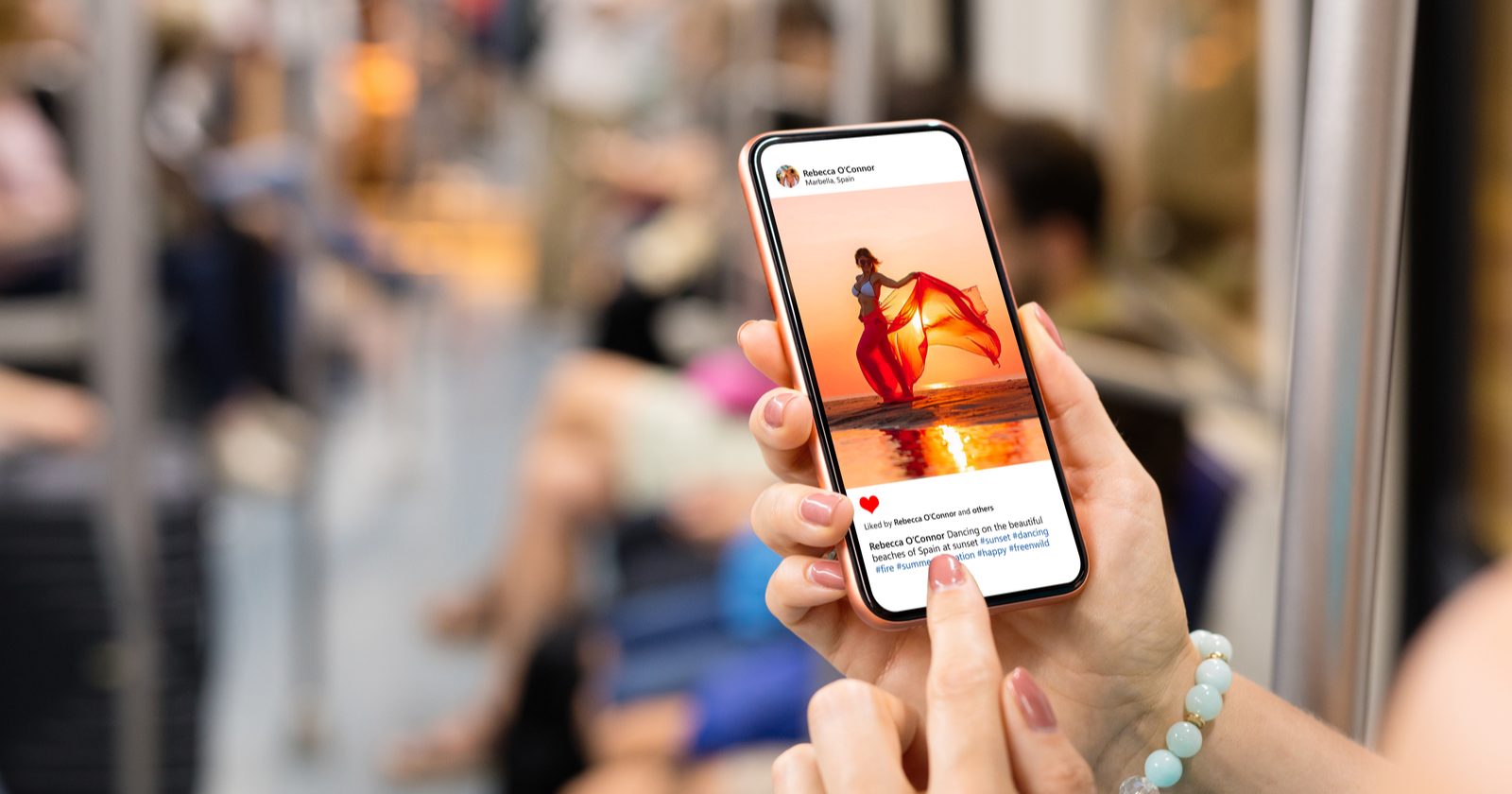
While perhaps seen as less directly relevant to professional applications, Instagram is increasingly scrutinized for evidence contradicting financial claims made in your visa application. In 2026, "Lifestyle Auditing" is a common technique used to verify that a student's stated financial capacity matches their actual spending habits.
Lifestyle vs. Financials: Posting photos of luxury travel or high-end purchases can raise questions if your stated financial resources or your sponsor's income doesn't seemingly align with such spending. If you claim to be on a tight budget but your feed shows a "digital nomad" lifestyle, officers may suspect unauthorized work.
Unauthorized Work Indicators: Photos that imply you might be working—such as behind a counter, delivering goods, or promoting products for compensation—will be flagged. Be extremely careful about documenting "side hustles" online, as these are often used as proof of visa status violations.
The Role of Automated Screening Tools
In 2026, visa adjudicators heavily rely on sophisticated automated screening tools that can process years of social media data in seconds. These tools look for "behavioral patterns" rather than just isolated keywords, identifying shifts in location, employment, or sentiment that contradict your application documents.
Pattern Recognition: These tools can link your various accounts even if you use different handles, by analyzing your photo metadata, friend networks, and IP history. This means your "private" identity and "professional" identity are often viewed as one by the system.
Preparing for the Interview: If the automated system flags a post, the officer will likely ask you about it during the interview. Knowing your own digital history allows you to provide a calm, contextual explanation, which is often enough to clear a minor flag.
Privacy Concerns vs. Adjudication Requirements

The implementation of mandatory social media vetting raises significant privacy concerns, but in 2026, the legal consensus in major hubs is that border security overrides individual digital privacy. By submitting a visa application, you are granting the government permission to review any public information that establishes your suitability.
The Consent Reality: Refusing to set your accounts to public or failing to provide your handles is now treated as "non-cooperation." This leads to an immediate refusal under rules that require applicants to provide all necessary information for an adjudication decision.
Understanding the Balance: Authorities argue that this vetting is the only way to verify identity in a world of deepfakes and document fraud. For the student, this means your online presence is no longer private; it is a public-facing part of your legal record.
Social Media Vetting for Post-Study Work Visas

The scrutiny doesn't end once you arrive on campus. In 2026, social media activity is also reviewed when students apply to switch from a Student Visa to a Graduate or Skilled Worker visa. Officers check that your behavior during your studies aligns with the conditions of your visa.
Tracking Compliance: If your social media during your first year shows you working 40 hours a week when you were limited to 20, your post-study work visa will be denied. Your digital footprint serves as a permanent log of your compliance with local laws.
Future-Proofing Your Career: Maintaining a professional digital identity throughout your degree is the best way to ensure your transition to a work visa is seamless. One careless post during your second year could jeopardize your entire career path in 2026.
Conclusion
In 2026, a visa officer spends more time analyzing your LinkedIn profile than they do reviewing your physical bank statement. Your social media presence is the "narrative" that proves your paperwork is genuine and your intent is compliant. Before you hit "Submit" on your visa application, perform a thorough, honest Digital Audit. Treat your online identity with the same level of attention and care as you would your CV or application forms. Your digital footprint is no longer just your social life; it's a critical component of your official legal record and a key determinant of your global mobility.