Seoul #1 Student City 2026: Why Korea is the New Study Hub
3/3/2026
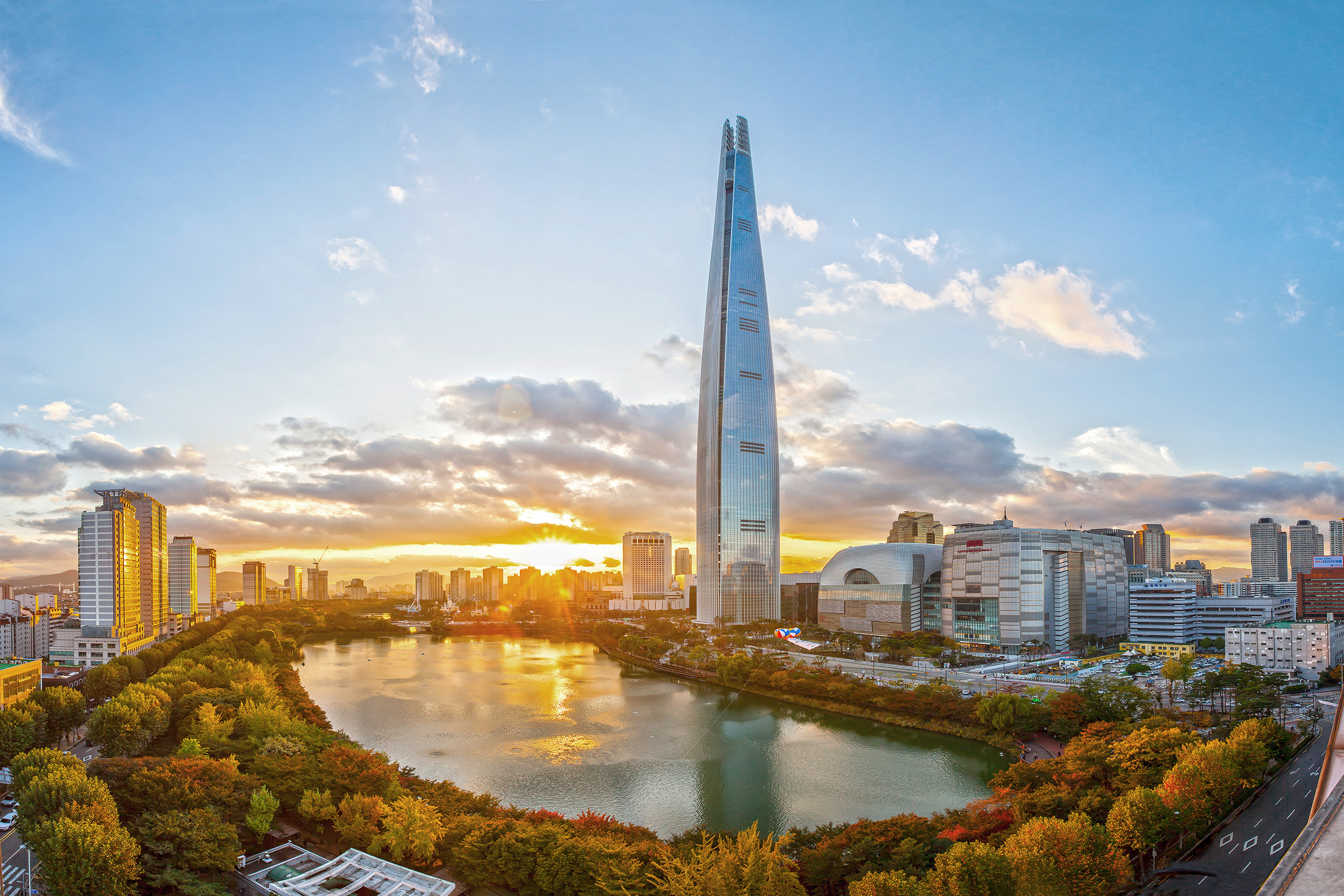
South Korea’s 300K Goal: Why Seoul is the #1 Student City of 2026 and the "K-Culture" Tech Backdoor
The global education compass has officially shifted East. In a historic milestone, South Korea has met its ambitious "Study Korea 300K" goal nearly two years ahead of schedule, hosting over 305,000 international students as of early 2026. This 47% surge since mid-2023 isn't just a statistical win; it’s a result of a massive government overhaul of visa rights, work permissions, and residency fast-tracks.
Leading this charge is Seoul, which has officially dethroned London as the #1 Best Student City in the world in the 2026 QS rankings. For students facing "visa bans" in the US or "permit caps" in Canada, South Korea isn't just a backup—it’s the new gold standard for high-tech, high-ROI education.
1. Seoul: The World's Best Student City (A Perfect 100 Score)

In the 2026 QS Best Student Cities report, Seoul achieved a perfect score of 100, beating out Tokyo (2nd) and London (3rd). While Western capitals have seen their desirability plummet due to the cost-of-living crisis, Seoul has doubled down on student support.
The "Seoul Advantage" in 2026:
Affordability: Monthly living costs in Seoul (including rent and food) average between $550 and $750. Compare this to London or New York, where students often face costs exceeding $1,500/month.
Employer Activity: Seoul ranks in the top tier for employment prospects. With major hubs for Samsung, LG, and Hyundai, the city functions as a massive networking lab for international talent.
Infrastructure: From 24-hour convenience to the world's most integrated 5G urban transport, the lifestyle "Desirability" of Seoul is unmatched in 2026.
Full 2026 QS Best Student Cities Ranking Data
2. The "K-Culture" Visa: The Secret Entry to Tech

Initially teased in 2024, the K-Culture (Hallyu) Visa is now fully operational in 2026. While many assume this is only for K-pop fans, savvy students are using it as a "trial entry" into Korea's massive digital economy.
How it works as a Backdoor:
Content & Gaming: The visa allows for a 2-year stay to train in "K-content" industries. In 2026, this officially includes AI-driven media, Game Development, and Virtual Production.
Networking: It grants legal status to stay in Korea while building a portfolio in the world's most advanced digital content market (worth $13 billion).
Transitioning: Many holders use this time to network with Korean tech firms, eventually switching to the E-7 (Professional) or K-STAR visas without ever leaving the country.
Official K-Life Portal: 2026 K-Culture Training Visa Requirements
3. The K-STAR Visa: A Residency Revolution for STEM

For those in Science and Engineering, the K-STAR Visa (F-2-7S) is the ultimate prize of 2026. This fast-track residency program has been expanded to 32 universities nationwide, specifically to retain top-tier researchers.
The "K-STAR" Benefits:
Immediate F-2 Residency: Master’s and PhD graduates from designated STEM programs can switch from a D-2 student visa to F-2 Residency immediately upon graduation—even without a job offer.
Fast-Track to Citizenship: The timeline to obtain Permanent Residency (F-5) has been slashed from 6 years to just 3 years.
Family Rights: Spouses and children of K-STAR holders are granted full employment rights, making it the most family-friendly tech visa in Asia.
Ministry of Justice: K-STAR STEM Fast-Track Universities List
4. The 3-Year "Safety Net": D-10 Job Seeker Updates
In late 2025, South Korea officially extended the D-10 Job Seeker Visa to a maximum of 3 years (up from 2 years). This change provides the stability that international students have been begging for.
2026 D-10 Rules:
Renewable terms: The visa is now renewable in 1-year increments rather than every 6 months, drastically reducing paperwork stress.
Work Permissions: D-10 holders can now intern at the same company for up to 1 full year, allowing for deep professional integration.
Part-time flexibility: You are now permitted to work up to 25 hours per week in approved fields while searching for a full-time professional contract.
5. Financials & Scholarships: The 2026 GKS Expansion

To support the 300,000-student goal, the Global Korea Scholarship (GKS) has reached record funding levels in 2026.
Quota: The government now offers 2,700 scholarships for STEM and 6,000 for non-STEM students annually.
Lower Thresholds: The financial proof (bank balance) for the D-2 visa has been lowered to roughly $15,400 (20 million won), and even lower (16 million won) for universities located outside the Seoul metropolitan area.
Language Subsidies: Many universities now offer free Korean language courses for the first two semesters to ensure international students can clear the Level 2 TOPIK requirement for internships.
Study in Korea: 2026 GKS Scholarship Application Guide
Conclusion
If 2026 has taught international students anything, it’s that "policy is power." While the West is closing its borders and raising fees, South Korea is offering a clear, high-tech, and affordable ladder to global success. Whether you are an AI researcher or a digital content creator, the "Seoul Shift" is no longer a trend—it's a career strategy.