How Early Should You Apply to Study Abroad? A Country-Wise Timeline
1/13/2026

Applying to study abroad is not a last-minute decision—it’s a process that requires careful planning, documentation, and timely action. One of the most common mistakes students make is starting too late, which can result in missed deadlines, limited university choices, and visa delays.
To help you avoid these pitfalls, this guide explains how early you should apply to study abroad, with a country-wise timeline covering university applications, scholarships, and visa processes.
Why Applying Early Matters
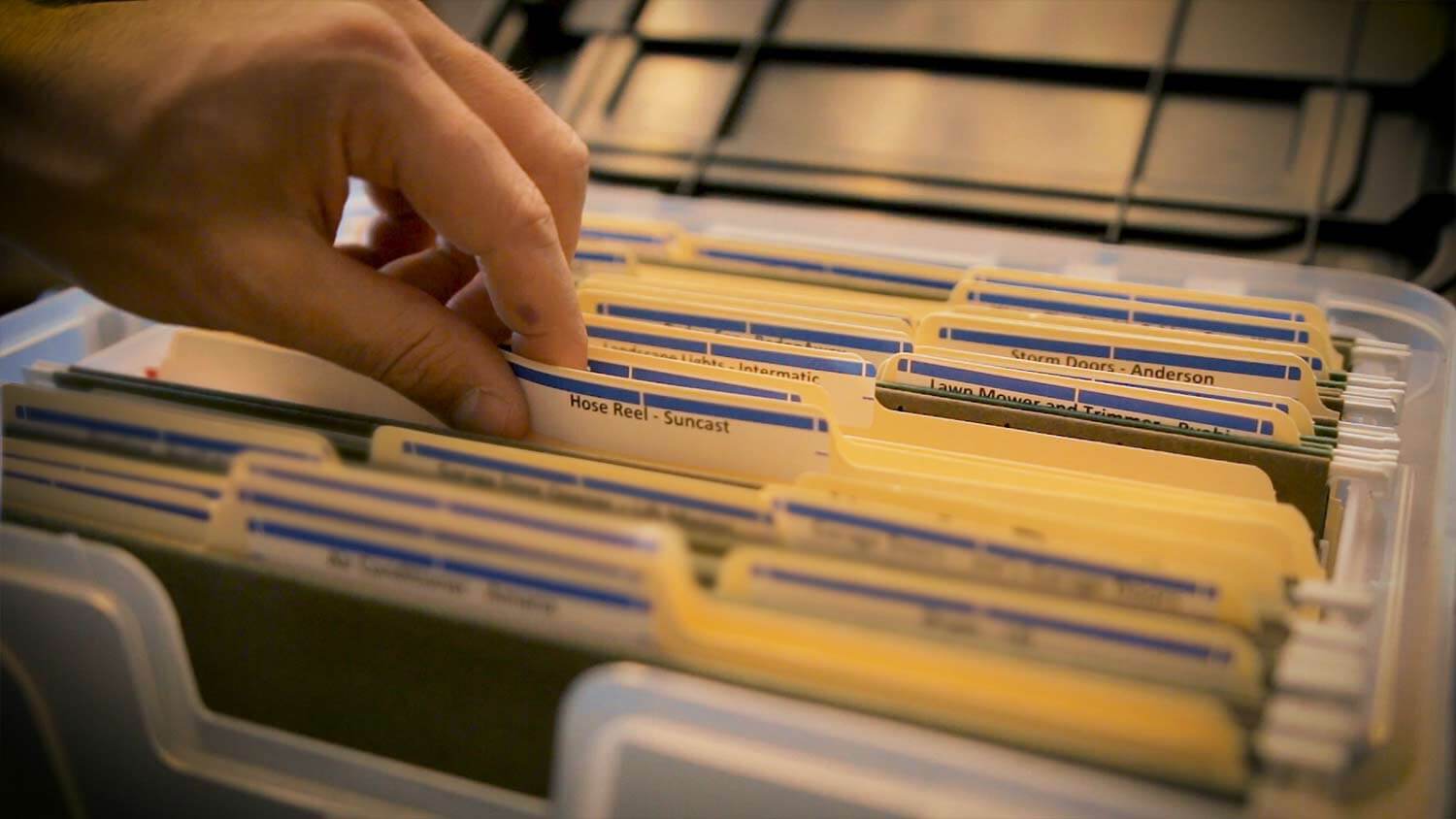
Starting your study abroad application early gives you a competitive advantage and reduces stress throughout the process.
Key benefits of early applications include:
Access to more universities and courses
Higher chances of securing scholarships
Sufficient time for SOPs, exams, and documentation
Smoother visa processing and travel planning
Early planning allows students to make informed decisions rather than rushed ones.
International admissions best practices resource
General Study Abroad Application Timeline
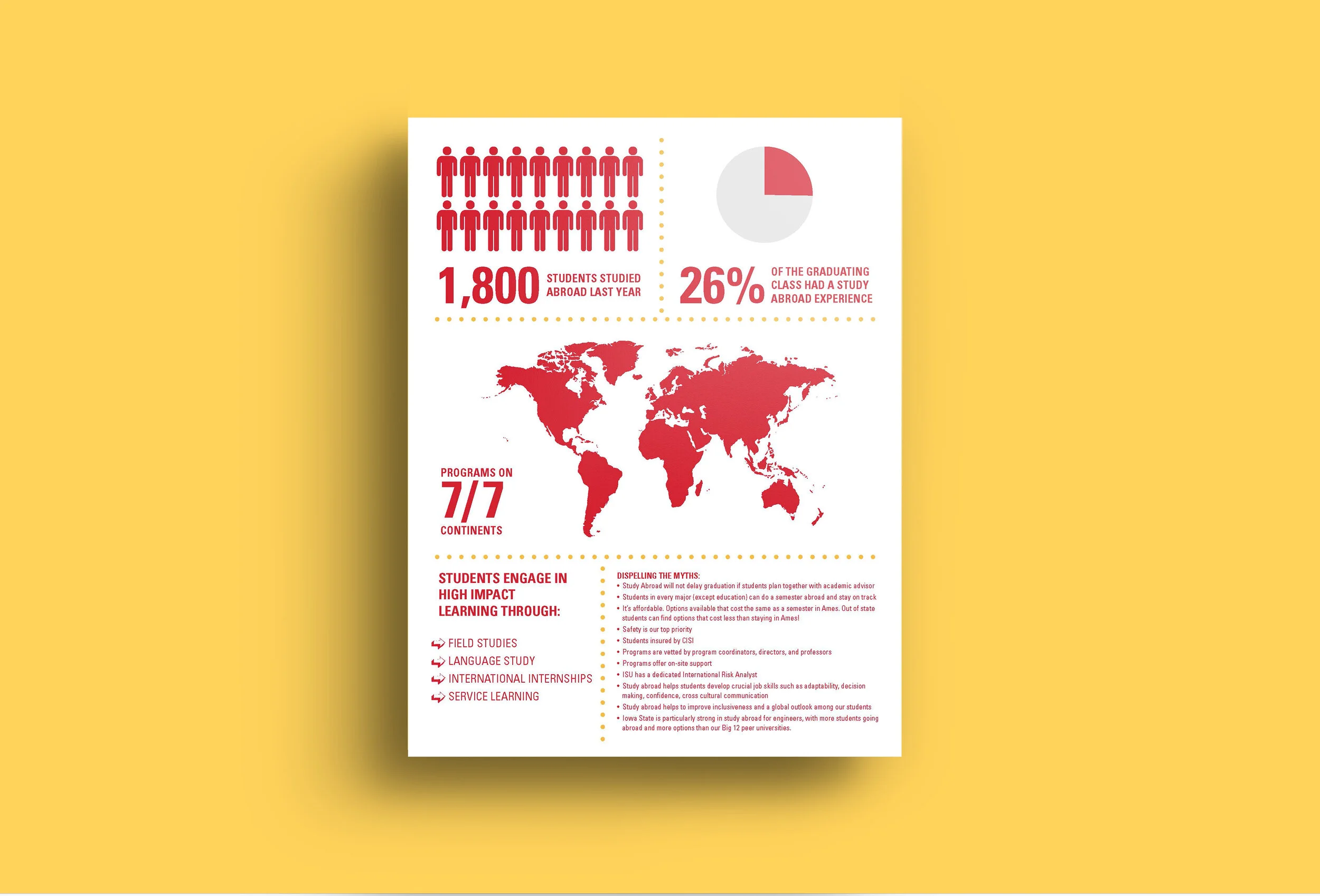
Most students should begin preparing 12–18 months before their intended intake. Below is a general timeline applicable to most countries:
18–15 months before intake: Research countries, universities, and courses
15–12 months before intake: Prepare for exams (IELTS, TOEFL, GRE, GMAT)
12–9 months before intake: Shortlist universities and prepare SOPs & LORs
9–6 months before intake: Submit applications and apply for scholarships
6–3 months before intake: Receive offers, accept admission, apply for visa
3–1 month before intake: Arrange accommodation, flights, and finances
Study abroad application checklist
UK Study Abroad Application Timeline
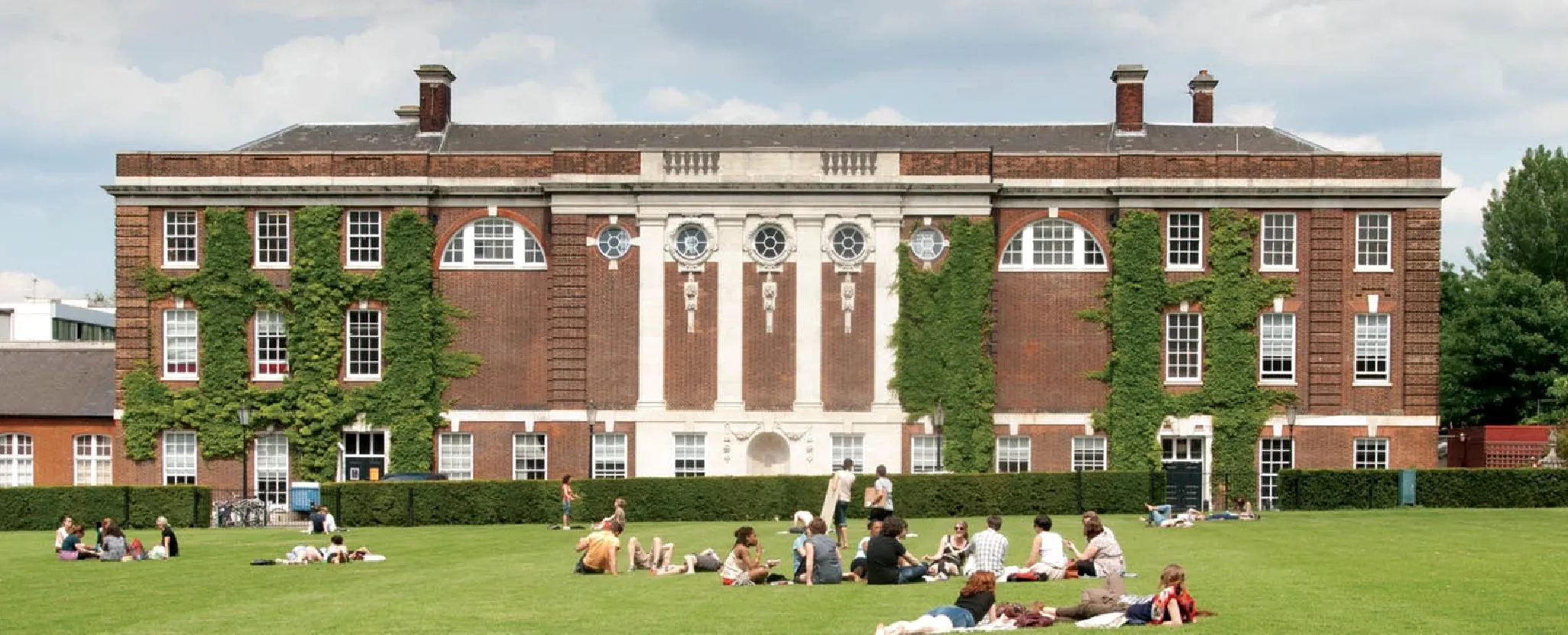
The UK has a structured and deadline-driven admissions system, especially for top universities.
Recommended timeline:
12–15 months before intake: Research universities and UCAS requirements
10–12 months before intake: Prepare SOP, references, and English tests
8–10 months before intake: Submit applications (UCAS / direct university portals)
6–8 months before intake: Receive offers and apply for scholarships
3–5 months before intake: Apply for UK Student Visa
1–2 months before intake: Book accommodation and flights
UK master’s programs are usually one year long, making early planning even more important.
UK official student visa and admissions site
Canada Study Abroad Application Timeline

Canada is highly popular due to its education quality and PR pathways, making early applications essential.
Recommended timeline:
15–18 months before intake: Research universities and intake availability
12–15 months before intake: Prepare language tests and academic documents
10–12 months before intake: Submit university applications
8–10 months before intake: Apply for scholarships and funding
6–8 months before intake: Accept offer and apply for study permit
2–3 months before intake: Arrange accommodation and travel
Due to high visa demand, Canada requires extra buffer time.
Canada official study permit website
Australia Study Abroad Application Timeline

Australia offers flexible intakes, but competitive courses fill up quickly.
Recommended timeline:
12–15 months before intake: Shortlist universities and courses
10–12 months before intake: Prepare SOPs and English test scores
8–10 months before intake: Apply to universities
6–8 months before intake: Receive offer and apply for scholarships
4–6 months before intake: Apply for Australian student visa
1–2 months before intake: Finalize accommodation and travel
Early applications help students secure scholarships and preferred campuses.
Australia student visa official page
USA Study Abroad Application Timeline

The USA has the longest and most competitive application process, especially for scholarships.
Recommended timeline:
18 months before intake: Research universities and prepare standardized tests
15–18 months before intake: Take SAT/GRE/GMAT and English tests
12–15 months before intake: Prepare SOPs, essays, and LORs
10–12 months before intake: Submit applications
8–10 months before intake: Apply for scholarships and financial aid
3–5 months before intake: Apply for US student visa (F-1)
Early preparation is crucial due to multiple deadlines and competitive admissions.
US student visa and admissions website
Best Time to Apply for Scholarships

Scholarship deadlines often fall earlier than university deadlines, making early preparation essential.
General scholarship timeline:
Research scholarships 12–15 months before intake
Prepare essays and documents 10–12 months before intake
Submit scholarship applications 8–10 months before intake
Students who apply early have significantly higher chances of securing funding.
Common Mistakes Students Make

Avoid these common errors when planning your application timeline:
Starting the process less than 6 months before intake
Missing scholarship deadlines
Underestimating visa processing time
Rushing SOPs and LORs
Not accounting for exam retakes
Proper planning eliminates most of these risks.
Conclusion
Applying to study abroad is a long-term process that rewards early action. Whether you’re targeting the UK, Canada, Australia, or the USA, starting 12–18 months in advance gives you the best chance at top universities, scholarships, and smooth visa approval.
Early preparation transforms a complex journey into a confident and successful experience.