France 30,000 Student Target 2026: Pathways, Fees & Visas
4/7/2026

In April 2026, as the "Big Four" (UK, Canada, Australia, USA) tighten their borders, France has launched a historic counter-offensive. With a national mandate to host 30,000 South Asian students by 2030, the French government is offering what others are currently withdrawing: predictability, residency, and professional integration.
The "Classes Internationales" (International Classes)

France has launched a specialized foundation year for students with zero French skills. These "International Classes" allow you to move to France, master the language, and transition directly into a Bachelor’s or Master’s degree.
The Details: Designed for students from India, Pakistan, and other key markets. It combines intensive French training (aiming for A2/B1 level) with academic subjects.
The Benefit: You can apply without knowing French, provided you plan to pursue a degree in a French-speaking track afterward.
Official Resource: Classes Internationales 2026: Official Program Details
The "Grande École" vs. University Track

The real power in France lies in the Grande Écoles. These elite institutions are smaller, industry-focused, and hold the highest employability ratings in Europe.
The Details: Admission is highly competitive and often involves an interview. Unlike universities, Grande Écoles have closer ties to corporate partners like Airbus, LVMH, and Renault.
Ranking Guide: Financial Times: European Business School Rankings 2026
The 2-Year Post-Study Stay (RECE Permit)

While the UK debates its Graduate Route, France has solidified its RECE (Recherche d'Emploi ou Création d'Entreprise) permit.
The Details: Available to Master's, PhD, and professional Bachelor's graduates. For Indian nationals, this is typically a 12-month permit renewable for another 12 months (total 2 years).
Key Rule: You must apply at least 2 months before your student visa expires and hold a diploma from a recognized French institution.
Official Policy: RECE Permit: Your 2-Year Job Search Rights in France
"Alternance": The Apprenticeship Loophole

The "Alternance" system allows you to work 3 days a week while studying for 2. The best part? The company pays 100% of your tuition.
The Details: In March 2026, the French government renewed exceptional aid of up to €6,000 for companies hiring apprentices, making international students highly attractive to employers.
The Benefit: You earn a monthly salary (often 60-100% of the SMIC/minimum wage) while gaining work experience that leads directly to a job offer.
How it works: Service Public: Hiring Aids for Apprenticeship Contracts 2026
The "France Excellence Eiffel" Scholarship

For top-tier students, the Eiffel Scholarship is the gold standard of funding.
The Details: For the 2026 campaign, results were published in late March 2026. It provides a monthly allowance of €1,181 (Master's) or €1,800 (PhD).
Criteria: Applicants must be under 27 (Master's) or 32 (PhD). Applications must be submitted by the university on your behalf.
Apply Here: France Excellence Eiffel Scholarship Program
The 5-Year "Alumni Visa" for Life
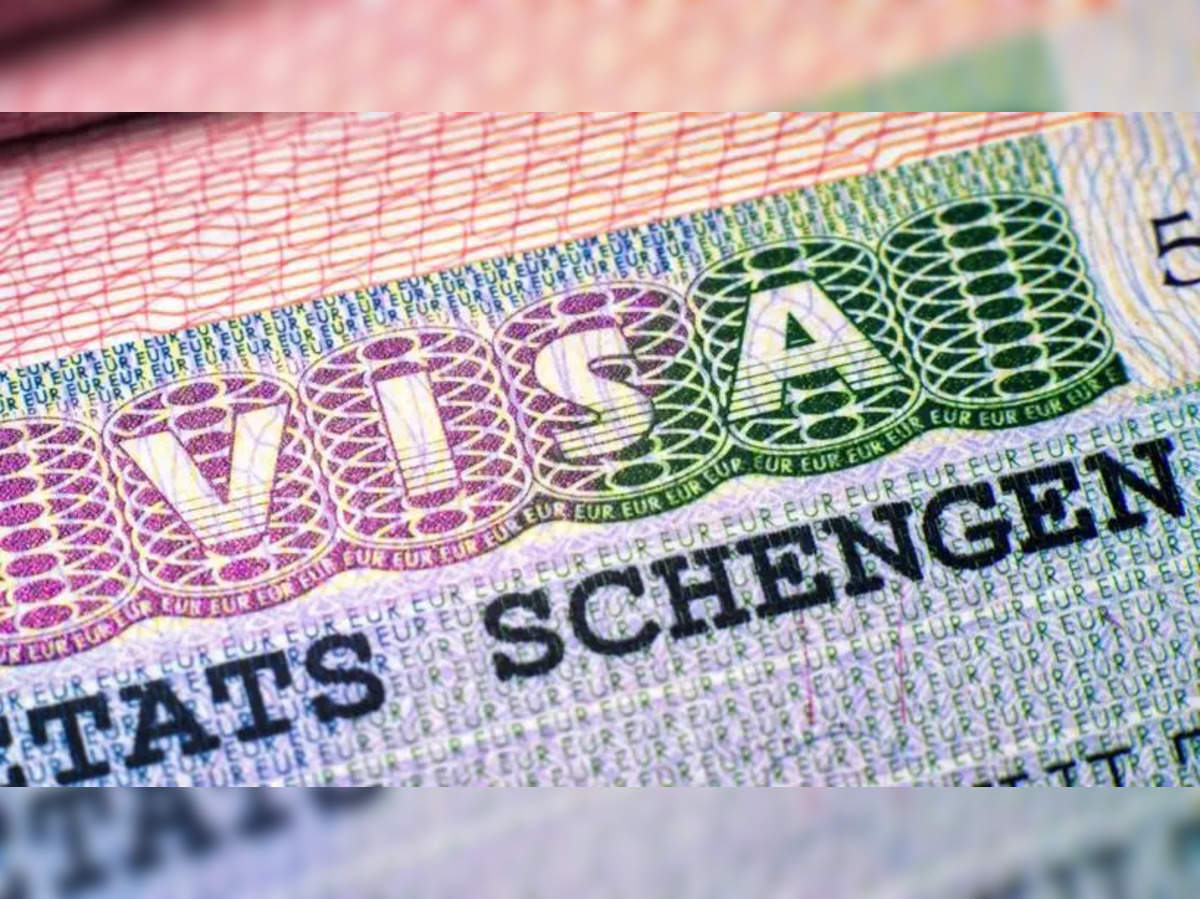
In a move to build long-term ties, France now offers a 5-year short-stay circulation visa to Master's graduates who studied in France.
The Details: This is a multiple-entry visa allowing you to return to any of the 29 Schengen countries for up to 90 days in any 180-day period.
The Strategy: Even if you move back to your home country, this visa keeps your professional and personal door to Europe wide open.
Policy Link: France Student Visa 2026 Guide
The "Schengen Key": Mobility in 29 Countries

Your French student visa is actually a Schengen Visa. In 2026, this will allow you to travel and network across the EU.
The Details: As of April 10, 2026, the new EES (Entry/Exit System) will track entries digitally. Your visa ensures you are compliant with these new biometric border rules.
Digital Border Info: EU Commission: The 2026 Entry/Exit System (EES) Guide
Public University ROI: The "Capped" Tuition

French public universities remain remarkably affordable.
The Math: For the 2026-2027 academic year, non-EU fees are capped at €2,770 (Bachelor) and €3,770 (Master) per year.
Comparison: This is roughly 1/10th the cost of a similar degree in the UK or USA, with the French state subsidizing over €10,000 of your education costs annually.
Cost Breakdown: University Tuition Fees in France 2026: Full Guide
The 2026 "France 2030" Tech Focus
As part of the €54-billion "France 2030" plan, there is massive investment in training "the champions of tomorrow."
The Details: Massive funding is flowing into universities for programs in Green Hydrogen, AI, Semiconductors, and Healthcare.
The Benefit: Students in these sectors find themselves at the center of a massive hiring spree as France aims to decarbonize its industry.