Essential Soft Skills Every International Student Should Develop
11/22/2025
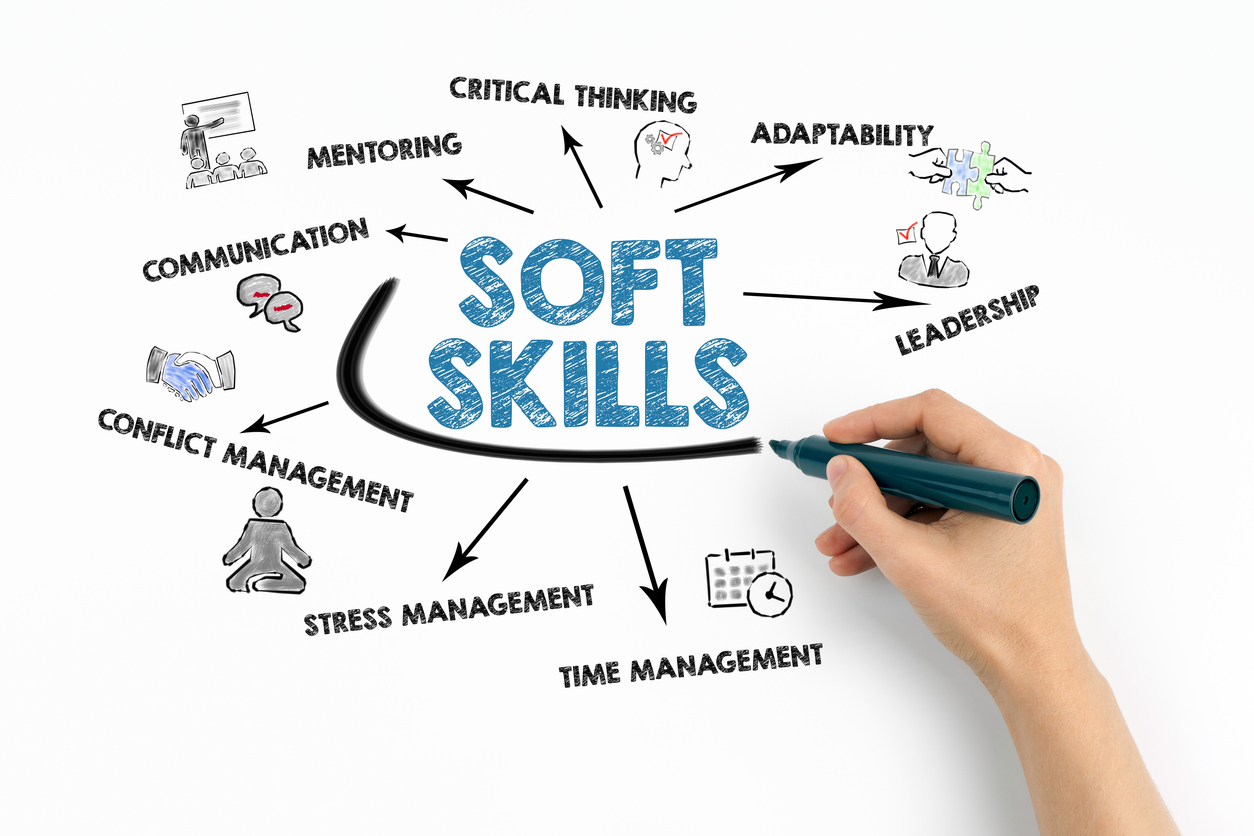
Studying abroad is about more than academics. To thrive in a foreign country, international students must cultivate soft skills that complement their educational qualifications. Soft skills enhance communication, adaptability, teamwork, and career opportunities, making them critical for personal and professional growth.
This guide highlights the most essential soft skills every international student should focus on.
1. Communication Skills

Clear communication is crucial for academic success, networking, and everyday life abroad. Key points:
Express ideas confidently in presentations and class discussions
Write professional emails and essays
Overcome language barriers through practice and active listening
🔗 Study on importance of communication skills
2. Adaptability and Flexibility

Moving to a new country involves adjusting to a different culture, academic system, and lifestyle. Develop:
Ability to cope with new environments and challenges
Open-mindedness towards cultural differences
Problem-solving skills in unexpected situations
🔗 About cultural adaptation tips for international students
3. Time Management

Balancing classes, assignments, social life, and possibly part-time work requires strong time management. Tips include:
Use planners or digital calendars to track deadlines
Prioritize tasks effectively
Avoid procrastination by setting realistic goals
🔗Time management strategies for students
4. Critical Thinking and Problem Solving

Academic success abroad often requires independent thinking. Develop:
Analytical skills to interpret data and research
Creative problem-solving in projects and group work
Decision-making skills under uncertainty
🔗Critical thinking importance in higher education
5. Emotional Intelligence

Emotional intelligence (EQ) helps students navigate social and academic challenges. Focus on:
Understanding your emotions and managing stress
Empathy and understanding peers from diverse backgrounds
Effective conflict resolution and collaboration
🔗 Emotional intelligence for student
6. Networking and Interpersonal Skills

Building connections abroad can open doors to internships, mentorships, and future employment. Tips:
Attend networking events, workshops, and seminars
Practice small talk and professional introductions
Maintain relationships through social media and email
🔗 Networking skills for students
7. Cultural Awareness and Sensitivity

Success abroad requires understanding and respecting local culture and norms:
Learn about local customs and etiquette
Avoid assumptions based on your home culture
Engage in cross-cultural activities to build inclusivity
🔗 Cultural sensitivity tips for students
8. Teamwork and Collaboration

Many programs involve group projects and teamwork. Develop:
Active listening and constructive feedback
Ability to compromise and adapt to different working styles
Leadership when necessary, while supporting team members
🔗 Teamwork skills for students
9. Resilience and Stress Management

Studying abroad comes with challenges like homesickness, academic pressure, and cultural shock. Tips to build resilience:
Practice mindfulness or meditation
Maintain a healthy routine with exercise and proper sleep
Seek support from counselors, friends, or student groups
🔗 Student stress management resources
Conclusion
Developing soft skills is just as important as academic achievements for international students. These skills improve adaptability, enhance career prospects, and make the study abroad experience more fulfilling.
At Global Grads, we guide students to not only choose the right universities but also equip them with the soft skills necessary to succeed abroad.
Book a consultation with Global Grads to prepare for your study abroad journey.