Do International Degrees Really Improve Career Growth?
1/21/2026

Pursuing an international degree is a major investment of time, money, and effort. While studying abroad offers global exposure and world-class education, many students and parents ask an important question: does an international degree truly improve career growth?
The answer depends on several factors, including the country, university, course, and how effectively students leverage their international experience. This blog explores the real impact of international degrees on career growth, backed by practical insights and global trends.
How International Degrees Enhance Career Growth

International education goes beyond academics—it builds skills that employers value globally.
Key career advantages include:
Exposure to global work cultures
Strong communication and cross-cultural skills
Independent thinking and problem-solving ability
Access to international job markets
Graduates with international experience often stand out in competitive job markets due to their adaptability and global mindset.
Global employability skills report
Impact on Salary and Earning Potential

One of the most tangible benefits of an international degree is improved earning potential.
Career-related financial benefits:
Higher starting salaries in many countries
Better long-term salary growth compared to domestic degrees
Access to high-paying global industries such as technology, finance, and healthcare
Opportunities to work in countries with stronger currencies
Graduates who combine international education with relevant skills and internships often see faster career progression.
Graduate salary comparison data
Global Job Opportunities After Graduation
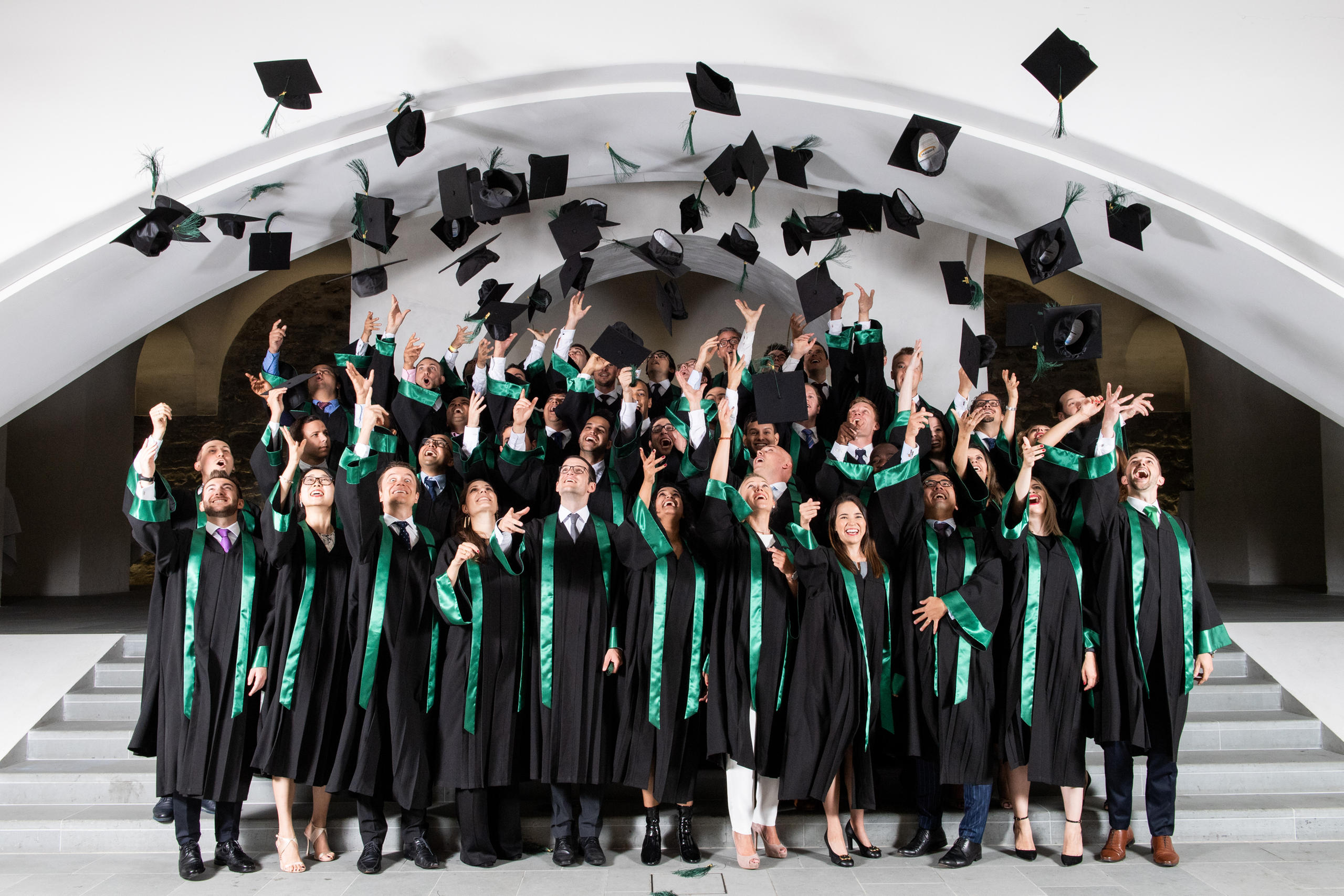
International degrees open doors to global employment opportunities.
Key benefits:
Eligibility for post-study work visas
Employer recognition of international qualifications
Access to multinational companies and global networks
Better chances of overseas relocation and long-term settlement
Countries like Canada, Australia, the UK, and Germany actively encourage international graduates to join their workforce.
Post-study work visa comparison
Role of University Reputation and Course Selection

Not all international degrees deliver the same career outcomes. University reputation and course relevance play a critical role.
Important factors to consider:
Industry-aligned curriculum
Strong placement and career support services
Alumni success and employer connections
Demand for the chosen field in the job market
A well-ranked university or a high-demand course can significantly boost employability.
Global university rankings by subject
Skills Gained Through International Education

International education helps students develop skills that go beyond textbooks.
Key transferable skills include:
Leadership and teamwork
Communication across cultures
Critical thinking and innovation
Time management and adaptability
These skills are highly valued by employers and contribute directly to long-term career growth.
Challenges and Realities to Consider

While international degrees offer many benefits, they are not a guaranteed shortcut to success.
Common challenges include:
High financial investment
Competitive job markets
Visa and work permit limitations
Need for local work experience
Career growth depends on how well students plan their course, gain internships, and network during their studies.
International graduate employment challenges
How to Maximize Career Growth with an International Degree

Students can significantly increase career outcomes by being strategic.
Best practices:
Choose courses aligned with global job demand
Gain internships and part-time work experience
Build professional networks and alumni connections
Use university career services actively
Understand visa and post-study work pathways
Is an International Degree Worth It?

An international degree can be a powerful career accelerator when chosen wisely. It offers global exposure, improved employability, and access to international job markets—but success depends on planning, execution, and long-term career strategy.
Students who align their education with market demand and actively build experience benefit the most.
Return on investment for international education
Conclusion
International degrees do improve career growth—but they are not a one-size-fits-all solution. The real value lies in choosing the right country, university, and course, while actively building skills and experience during your studies.
With the right approach, studying abroad can lead to stronger career prospects, higher earnings, and global opportunities.