2026 Student Budget Guide: Toronto vs Sydney vs Manchester
3/17/2026

If you are planning your study abroad journey using a budget spreadsheet from 2024, you aren't just out of date—you’re at financial risk. As of March 2026, "sticker shock" has moved from the tuition bill to the grocery aisle and the utility meter.
While tuition has seen modest rises, the Hidden Inflation Index—the real-world cost of daily survival—has surged by nearly 15-20% in major student hubs since 2024. This blog compares the triple-threat of groceries, utilities, and hidden fees across Toronto, Sydney, and Manchester to show you what life really costs this year.
Toronto: The "Import & Energy" Squeeze

Toronto remains one of the most expensive cities in North America. In early 2026, food inflation in Canada peaked at 7.3%, driven largely by import dependencies and the end of temporary tax breaks on restaurant meals.
Groceries: A single student should now budget at least $350–$500 CAD per month. Basics like eggs (now $6–$8 for a 12-pack) and fresh chicken have seen the sharpest hikes.
Utilities: "Hydro" (electricity) has a new baseline delivery cost of roughly $65/month, but with 2026 energy prices, a shared apartment can easily hit $150/month when heating and internet ($60–$115) are added.
University of Toronto 2026 Living Cost Breakdown
Sydney: The "Harbour City" Premium
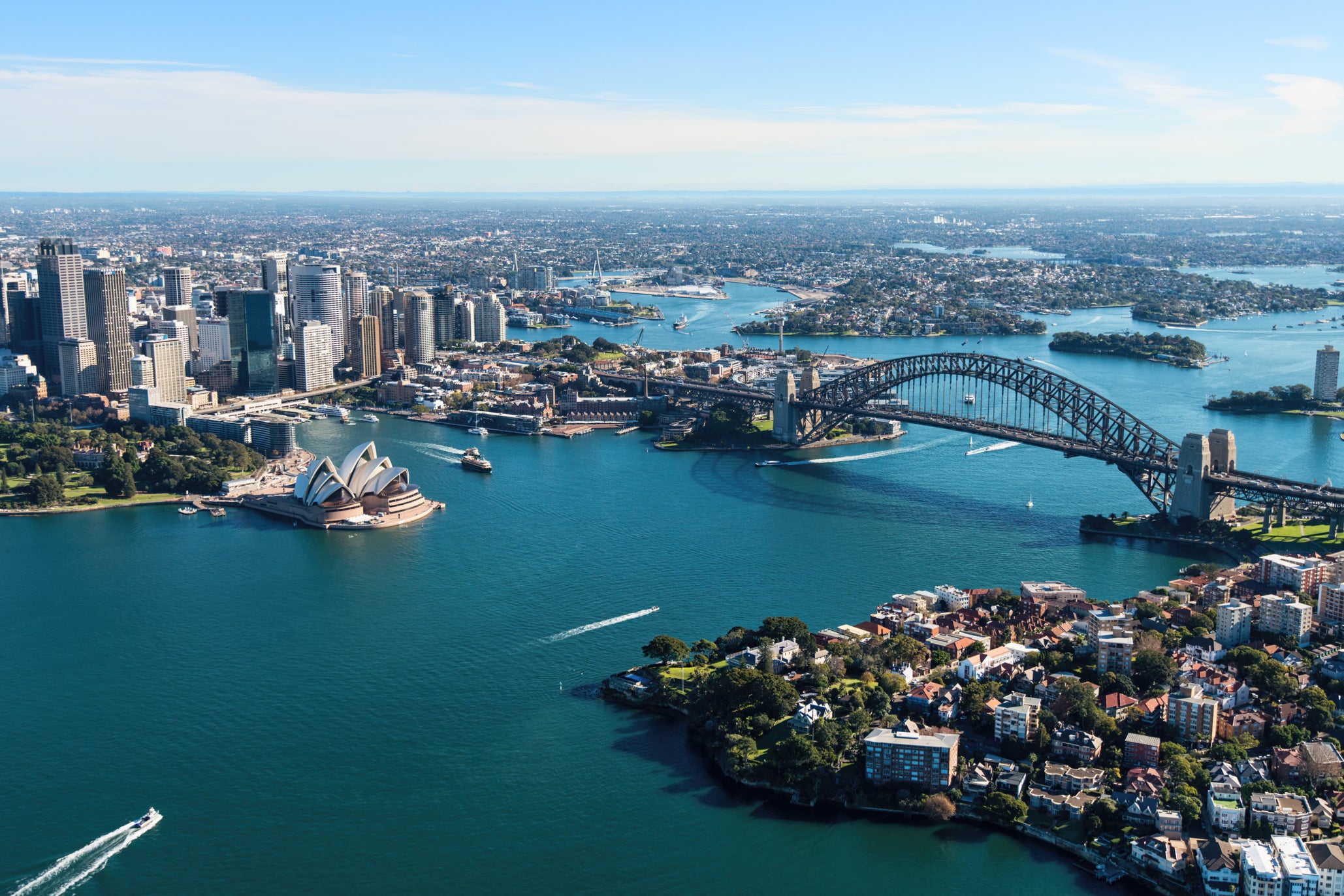
Australia has introduced massive visa fee hikes in 2026, but the daily "hidden" costs are even more punishing. Sydney consistently tops the index as the most expensive city for international students in the Southern Hemisphere.
Groceries: Expect to spend $400–$550 AUD monthly. While shopping at Aldi or Woolworths helps, the "fresh produce" crisis of 2025 has kept prices for fruit and vegetables at record highs.
Utilities: Private renters in Sydney are now seeing monthly utility bills (gas, electricity, and water) between $250 and $400 AUD. Shared houses are the only way to survive, bringing individual costs down to about $150–$250.
2026 Student Visa (Subclass 500) New Fee Schedule
Manchester: The Affordable (but Rising) Alternative
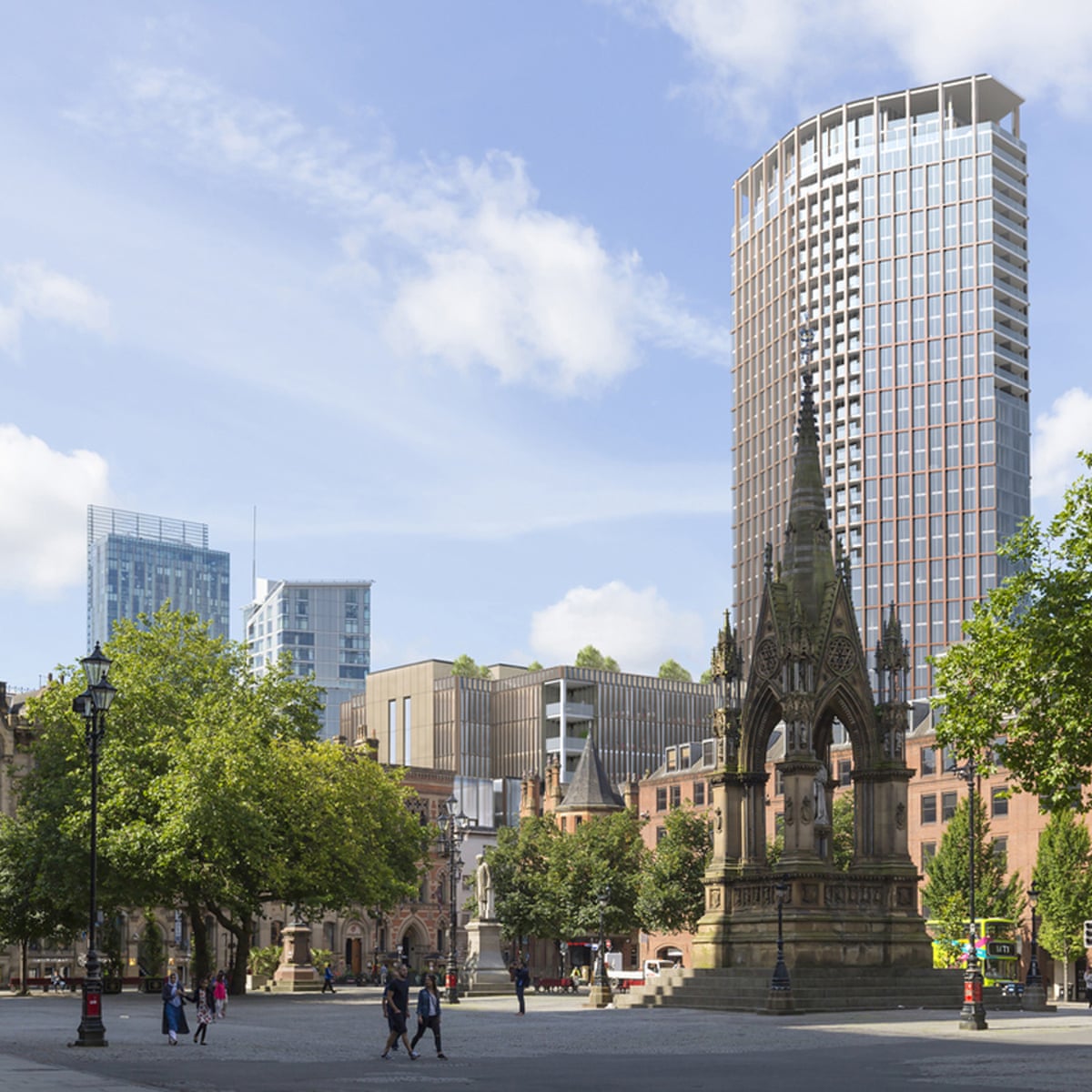
Manchester remains significantly cheaper than London, but the "Northern Powerhouse" is no longer the budget haven it once was. The UK’s Immigration Health Surcharge (IHS) has now climbed to £776 per year, a "hidden" monthly cost of roughly £65.
Groceries: A lean student budget for food in Manchester is now £200–£350 per month. While local markets offer deals, branded essentials have followed the global inflation trend.
Utilities: Energy price caps have fluctuated, but a typical student share should budget £100–£160 for gas, electricity, and broadband.
British Council: Living Costs in the UK 2026
The 2026 "Hidden" Fee Comparison

Beyond the supermarket, 2026 has introduced new "Administrative Inflation" that most students forget to track.
Australia: The Graduate Visa (Subclass 485) fee doubled in early 2026 from $2,300 to $4,600 AUD.
Canada: The mandatory "Proof of Funds" for a study permit is now a hard $22,895 CAD (up from the old $10,000 baseline).
UK: The student visa fee is now £490, plus the mandatory IHS mentioned above.
Why the 2024 Spreadsheet is "Dead"
In 2024, a "buffer" of 10% was considered safe. In 2026, you need a 25% contingency fund. The 2024 data doesn't account for the post-2025 energy surge or the digital monitoring of work hours that prevents "emergency" overtime shifts.
If your budget is based on 2024 prices, you will likely run out of funds by the end of your first semester. The 2026 landscape requires active financial management, not static planning.
Global Student Inflation Index: 2026 City-by-City Rankings
Conclusion
Living in Toronto, Sydney, or Manchester in 2026 is a strategic challenge. You cannot rely on "under-the-table" work or 2024 price lists. To survive, you must prioritize high-value student roles, master the art of bulk-buying, and—most importantly—update your financial expectations before you fly.